
If you have spent time around busy tables in Melbourne or managed service queues across multiple time zones, you already know that the rules of omaha poker online rules matter less than the way a lobby presents them. The difference between a smooth session and a frustrating one usually comes down to how clearly the platform separates pot-limit Omaha from other table games, how fast the hand history loads, and whether the betting structure stays consistent from the first deal to the final showdown. I have spent two decades building multilingual support queues for regulated operations, and the same discipline applies here: players need a clear path into the right game before they ever post blinds.
Reading the Lobby Before You Post
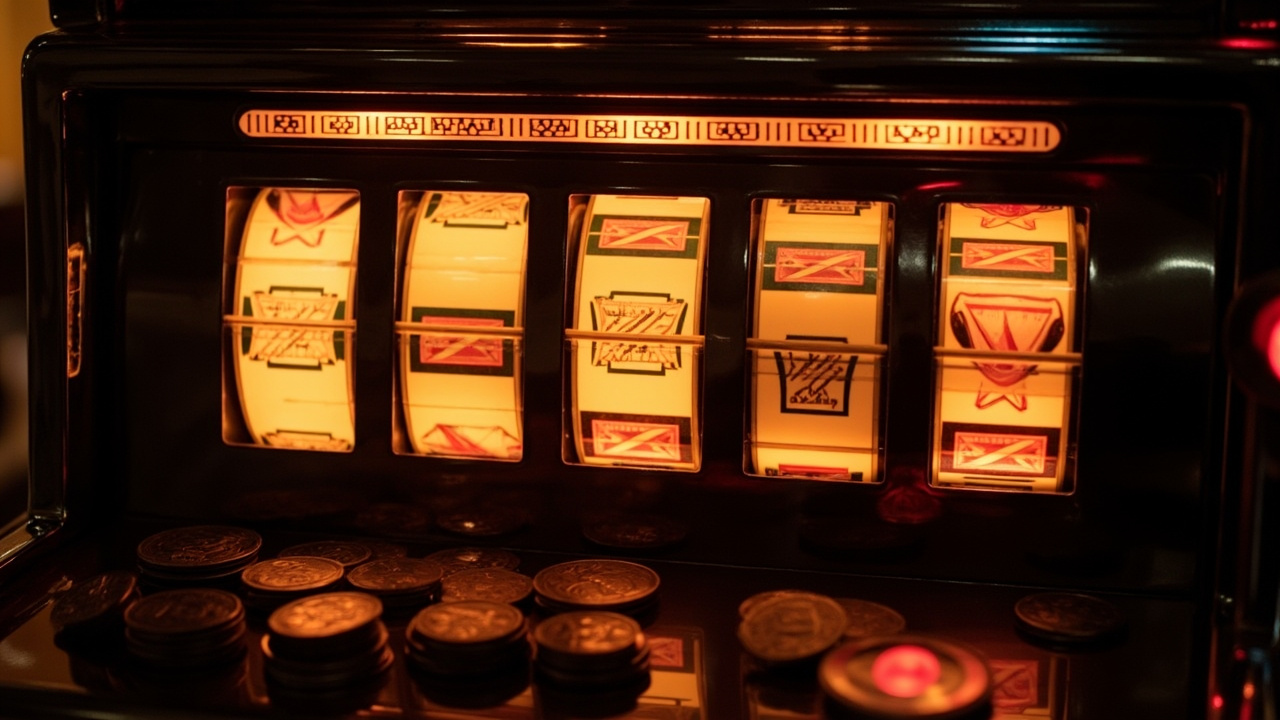
A well-organised lobby does the heavy lifting before you even sit down. The best setups separate Omaha variants from Texas Hold’em and video poker, group games by stake and format, and let you filter by provider without making you dig through a cluttered grid. When I have overseen support teams handling thousands of concurrent queries, I have seen how quickly confusion around table limits and game mix turns into avoidable tickets; a clean lobby with visible blinds, pot limits, and active player counts prevents that friction from ever reaching the help desk. The same principle applies to discovery: if you can spot a $2/$5 pot-limit table, a multi-table tournament queue, and a short-handed cash game without scrolling through irrelevant slots or unrelated table games, you spend more time playing and less time hunting. Providers matter here too, because consistent dealing software and clear hand timers keep the pace steady across different stakes. If you want a closer look at how one operator structures its Omaha offering, the breakdown in Omaha poker strategy and the Booms Bet experience walks through the lobby layout and table flow in plain terms.buffalo-slot-machine-au.com
The Rule Set That Shapes Every Hand
Omaha poker online rules are built around a few non-negotiables that separate the game from other table formats. Each player receives four hole cards, must use exactly two of them combined with three community cards, and plays with a pot-limit betting structure in its most common form. That pot-limit cap changes how you size bets and how the table reads aggression, because the maximum raise is tied to the size of the pot rather than an arbitrary stack depth. The dealing sequence, the burn cards, and the showdown order stay consistent across reputable platforms, which is exactly what you want when you are juggling multiple tables or switching between cash and tournament queues. I have seen operations scale from a handful of agents to workforces in the thousands, and the lesson is the same: when the underlying process is standardised, players and support staff both know what to expect. In practice, that means clear hand histories, visible pot odds, and a dealing rhythm that does not drift between sessions. If you are comparing how different lobbies present those rules, the archived review at buffalo-slot-machine-au.com keeps the focus on the table experience and the way the platform communicates its betting structure.
How the Table and Live Mix Fits Together
A solid Omaha offering does not treat table games and live content as an afterthought. The mix usually spans pot-limit cash tables, fixed-limit variants for players who prefer tighter bet sizing, and tournament queues that run at staggered starts so you are not waiting on a single blind level. Live dealer tables can add a slower, more deliberate pace, which suits players who want to watch the dealing sequence and read the board without the speed of a RNG table. From a service perspective, I have learned that multilingual support and consistent game flow have to move at the same pace; when a lobby mixes fast cash tables with live tables that run on a different cadence, the queue needs to handle both without making one feel like an exception. Providers contribute here by keeping the hand timer, the pot display, and the bet slider consistent across formats, so switching from a $1/$2 pot-limit table to a live Omaha table does not feel like learning a new interface. The result is a table environment where the rules stay front and centre and the lobby supports them rather than competing for attention.Omaha poker strategy and the Booms
Bonuses, Payments, and the Support Behind the Table
Bonus mechanics in Omaha-focused lobbies tend to reward playthrough and table participation rather than pushing you toward unrelated slots. A typical structure might offer a matched bonus on your first few deposits with a clear wagering requirement tied to table games, plus reload incentives that drop into your account without obscuring the terms. Payments usually cover AUD and a few major currencies, with deposit and withdrawal paths that match the account currency you select at registration, and the registration flow itself should ask for the details needed for verification without making the process feel like a detour. Mobile play should mirror the desktop lobby closely enough that you can read blinds, pot size, and hand history on the same screen without squinting at a compressed layout. Support needs to cover the same ground as the lobby: hand disputes, table limits, bonus terms, and payment timing should all have a clear path, whether you reach the team through live chat or email. I have managed regulated queues where the difference between a good session and a bad huffandpuffpokiesau.com one came down to whether the support team understood the rule set well enough to explain a pot-limit raise or a showdown dispute without passing you around. When the loyalty programme, the payment paths, and the support team all treat Omaha as a core product rather than a side note, the whole experience stays coherent from registration through to the final hand.
A few terms worth keeping straight:
- Pot-limit Omaha: the most common Omaha format, where the maximum raise is capped by the size of the pot.
- Hole cards: the four private cards dealt to each player before the community cards are revealed.
- Pot-limit raise: a bet sized so the total raise does not exceed the current pot amount.
- Showdown: the point at which remaining players reveal their hands to determine the winner.
If you are weighing whether Omaha fits your session style, the clearest test is how the lobby presents the rules and how consistently the table flow holds up once you are seated. A platform that keeps pot-limit betting, hole-card requirements, and showdown order visible from the first click gives you a better chance to focus on the game itself rather than the interface around it. That is the kind of setup I have always judged by the same standard I use for regulated service operations: clarity at the front door, consistency across the queue, and no surprises when the hand reaches the showdown.